Chichén Itzá from Cancun: The Single Ticket, the 8am Gate, and the Three-Hour Ride
The most famous ruin in the Americas sits three hours from your beach chair. The ticket became one and got expensive, the shade never existed, and the 8am gate is the whole strategy.
The short version
- Entry for foreign visitors runs 697 MXN — a federal fee plus a much larger Yucatán state fee, merged into a single ticket in April 2026 after years of two queues; the figure moved twice this year, so treat it as ‘about $40, confirm current’ — federal site information at inah.gob.mx.
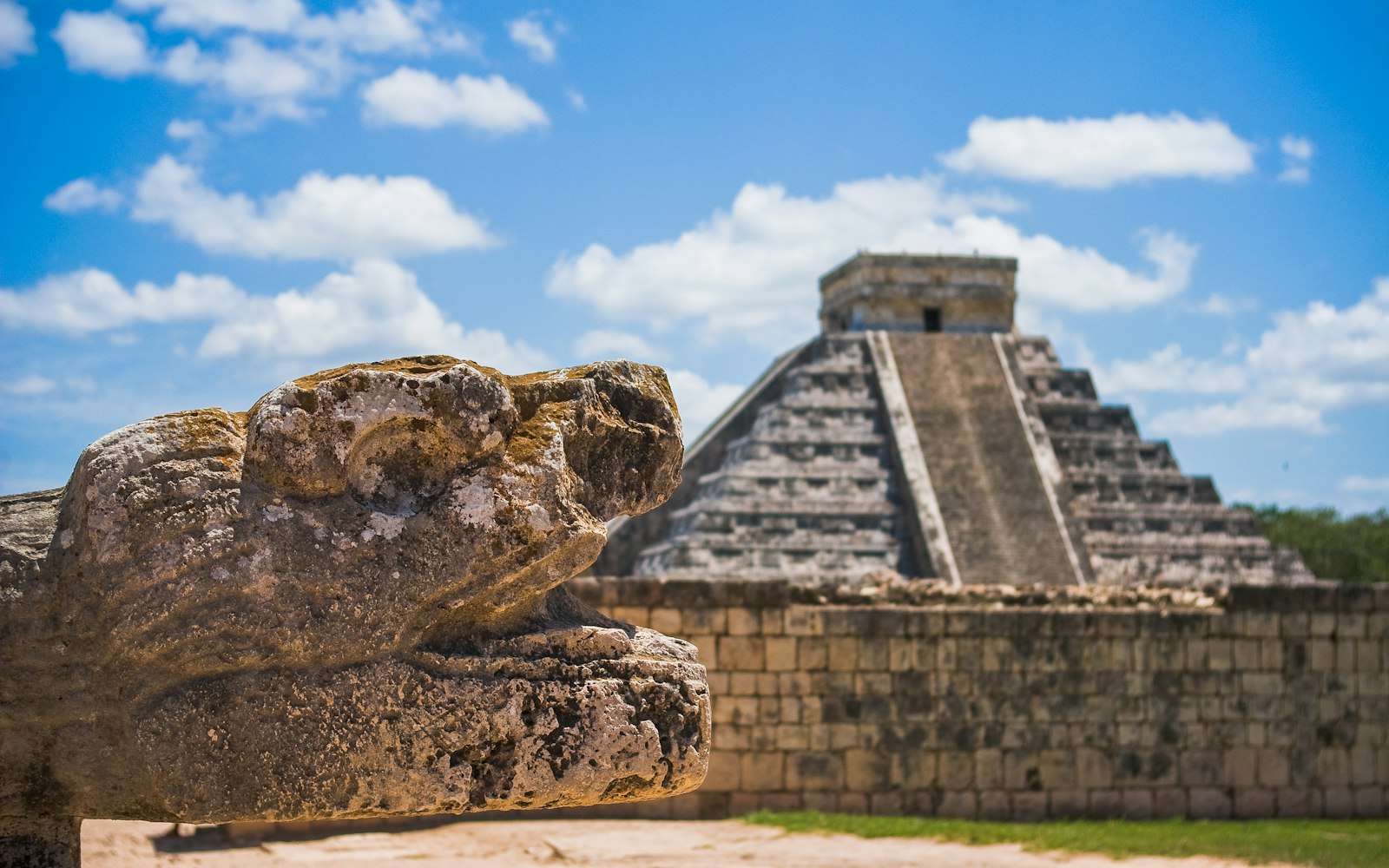
- El Castillo — the Kukulcán pyramid — is the centerpiece: 365 steps in its calendar geometry, the equinox serpent-shadow show, and a no-climbing rule that has held since 2008.
- The Great Ball Court is the largest in Mesoamerica, with acoustics the guides demonstrate by clapping; the Temple of the Warriors and the thousand columns fill the eastern flank.
- The Sacred Cenote — the sinkhole that made the city a pilgrimage site and yielded its gold and its sacrifices — anchors the site’s north path.
- ADO runs comfortable direct buses from Cancun’s downtown terminal in about three hours each way; tours bundle transport, guide, a swimming cenote, and Valladolid at a price that beats assembling the parts for most visitors.
- The vendor gauntlet along the paths is permanent and loud by mid-morning — another argument the 8am gate makes for you.
Getting there
Three honest options: the early ADO bus from downtown Cancun (cheapest, longest day, you control nothing about timing but the alarm clock), a rental car via the toll road (fastest, most flexible, arrive at opening with ease), or the organized tour (costlier per hour, but the bundled cenote-swim-and-Valladolid format is genuinely the right itinerary, which is why everyone sells it). Whatever the vehicle, the arithmetic is fixed: three hours out means the day starts dark, and beating the 10:30 coach surge is worth every minute of lost sleep.
The site
Enter at opening and go straight to El Castillo while the plaza is empty — the photographs and the quiet both live in that first hour. Work outward: the ball court’s scale and echo, the skull-rack platform’s carved rows, the Warriors’ colonnade, then the sacbé path north to the Sacred Cenote. A licensed guide at the gate or a good audio approach genuinely upgrades this site; the architecture is a calendar and a cosmology, and none of it labels itself. Three hours covers it properly. By noon the heat and the crowds have both arrived, and the correct response is a swimming cenote — Ik Kil is the famous nearby one, mobbed accordingly; drivers do better slightly further afield — and lunch in Valladolid’s pastel center on the road home.
When to go
November through March is the humane window — hot, not punishing. April and May bake; summer adds humidity and afternoon storms that at least clear the plazas. The spring and fall equinoxes bring the serpent-shadow descent on El Castillo and the year’s biggest crowds to watch it, an astronomy-and-elbows trade to choose deliberately. Sundays are free for Mexican citizens and the site fills with families accordingly — a livelier, longer-queued version of the day. Every season shares the same two facts: no shade, and mornings win.
Frequently Asked Questions
Bus, car, or tour?
Tour for most beach-based visitors — the cenote-and-Valladolid bundle is the day done right. Bus for budget independence, car for schedule control and the 8am gate. All three work; none of them fix the heat.
Why can’t I climb the pyramid?
Erosion and a 2006 fatality closed the stairs permanently in the years after — the structure now works as architecture to walk around, not up. The Nohoch Mul pyramid at Cobá ended climbing too; that era is over.
Is the entry price worth it?
It’s the most expensive ruin ticket in Mexico and it is still Chichén Itzá — a wonder-of-the-world site delivering exactly that. The resentment is about the state fee’s growth, not the site; budget it and go.
Which cenote should I add?
Ik Kil if you’re on a tour that includes it — spectacular and crowded in equal measure. Independent travelers do better at Suytun, Oxman, or the Valladolid-area cenotes, emptier for the same turquoise.
Should I consider staying overnight instead?
Sleeping in Valladolid or at the site-adjacent hotels buys you the 8am gate without the 5am alarm — the single biggest upgrade available to this trip. As a day trip it works; as an overnight it relaxes.