Tulum from Cancún: The Eight A.M. Gate, the Clifftop Ruins, and the Cenote That Saves the Day
The Maya built their walled port city on a cliff over Caribbean turquoise, and the photograph still delivers. Beat the heat and the cruise waves to the eight o’clock gate — then let a cenote handle the afternoon.
The short version
- ADO buses run Cancún centro to Tulum in about two hours at steady frequency — book at ado.com.mx; the ruins’ entrance road sits before the town, served by the same corridor and a short colectivo hop.
- Tulum was Zamá, a walled Maya trading port at its height in the 13th–15th centuries — the only major site set directly on the Caribbean, which is the entire photographic argument; entry runs in the MX$100 range through the national institute, details at inah.gob.mx.
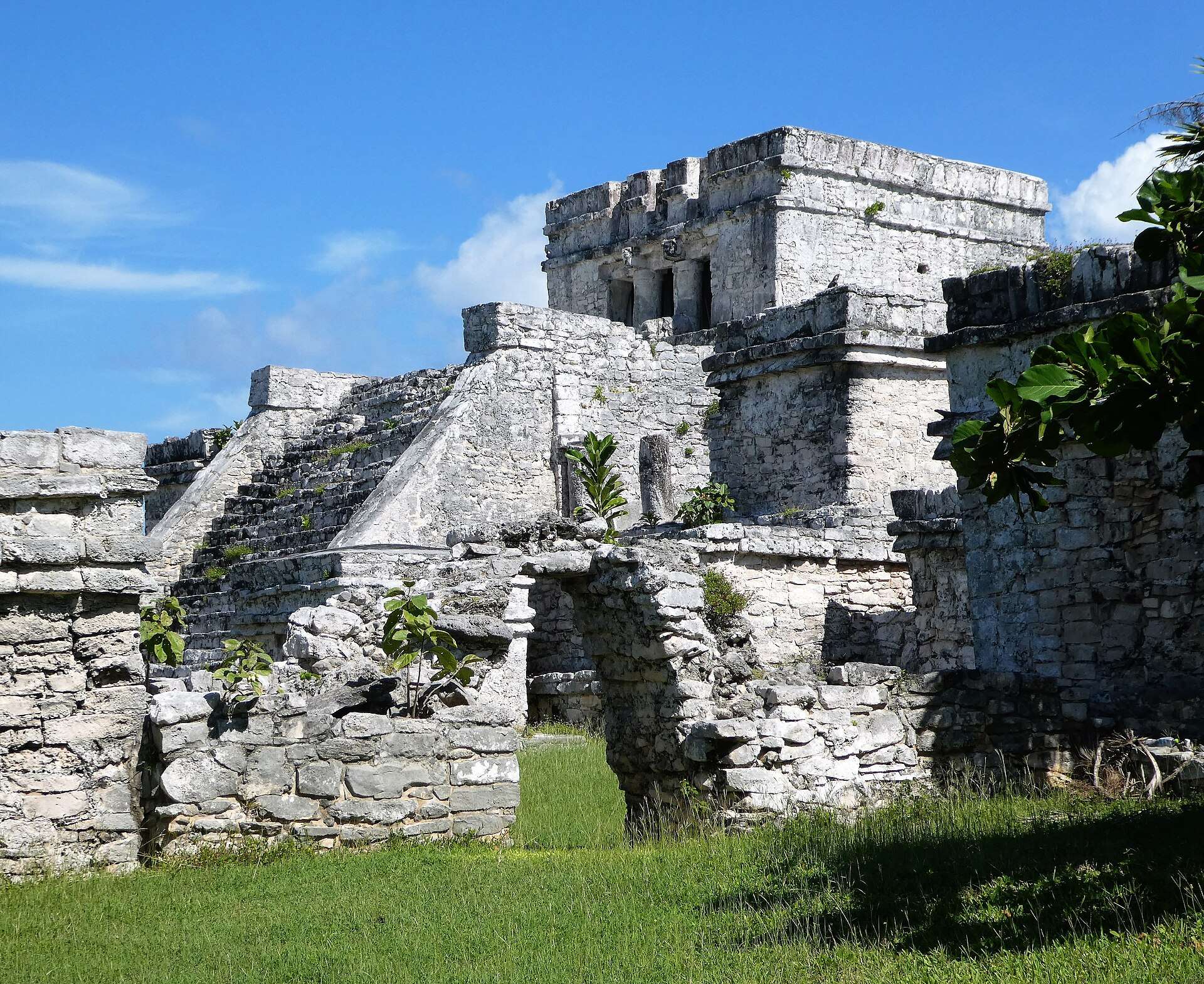
- El Castillo on its cliff edge, the Temple of the Frescoes’ murals, and the God of the Wind’s tower over the cove cover the essentials — the site is compact, and the alarm’s ninety minutes is genuine.
- The beach cove below the ruins opens to swimmers when conditions and management allow — treat access as a bonus rather than a plan, and carry the suit regardless.
- The cenotes are the day’s second act: Gran Cenote and the Dos Ojos system north of town run snorkel-ready caverns at their own admissions — cool, clear, and the swimming the alarm promised.
- Tulum pueblo feeds you honestly at taco prices; the beach-road hotel zone charges boho-resort rates for the same sun — day-trippers belong to the pueblo and the cenotes.

Getting there
The ADO’s centro terminal beats every hotel-zone pickup on price and punctuality — ride the two hours south, drop at Tulum’s ruins junction or the town terminal, and colectivos stitch the last kilometers all day. The eight o’clock gate per the alarm means the 6am-ish bus; the arithmetic is unforgiving and worth it, because the same site at noon is a griddle with a queue. Drivers on the 307 do it in under two hours against parking fees and the same clock.
The day
Ruins at opening: the wall’s ceremonial gates, the frescoes’ surviving pigment, and El Castillo composed above the cove while the light is low and the paths are yours — the iguanas own the stones at that hour and pose accordingly. Ninety unhurried minutes covers everything; the cliff-edge viewpoints north of the Castillo hold the postcard. Exit as the tour waves land, and give the alarm’s afternoon to water: colectivo or taxi to Gran Cenote or Dos Ojos, where the snorkeling runs through root-hung caverns at temperatures the Caribbean can’t match. Late lunch in the pueblo — cochinita tacos, agua de chaya — then the ADO home, or an hour on the public beach stretches the day if the schedule holds. The return bus wants pre-booking on high-season evenings.
When to go
November through April is the dry, bearable season; May through October adds heat, humidity, and afternoon storms that the early-gate strategy already outruns. Sargassum seasons vary year to year and affect beaches more than cenotes — the freshwater afternoon is weatherproof in every month. Cruise-excursion volume tracks the ships’ calendars rather than seasons, which is why the alarm bets on the clock instead: eight o’clock wins every day of the year.
Frequently Asked Questions
Are the ruins worth it against Chichén Itzá?
Different jobs: Chichén (documented on this network) is the monumental site; Tulum is the setting — a compact city on a postcard cliff. Archaeology-first travelers rank Chichén; the sea-and-stone photograph is Tulum’s alone. Doing both across two days is the honest Yucatán answer.
Can I climb the structures?
No — the buildings are roped, paths are marked, and the iguanas are the only ones on the stones. The site’s compactness makes the viewing-distance rule painless; the cliff viewpoints do the drama.
Which cenote should I pick?
Gran Cenote for ease and turtles, Dos Ojos for cavern snorkeling at scale, Calavera for the jump-in crowd — all run their own admissions and rent gear. Any of them redeems the day’s heat; pick by distance and appetite, not reviews.
What about the Tren Maya?
The train’s Tulum station serves the corridor with an airport-distance transfer reality — for a Cancún day trip, the ADO’s centro-to-town directness still wins the math. Rail-curious travelers can ride one leg for the novelty and bus the other.
Is the hotel-zone beach worth seeing?
It’s a lovely, expensive strip doing a global aesthetic — worth a drink if you’re curious, skippable if you’re not. The public beach accesses near town deliver the same sand without the daybed minimums; the cenotes deliver the better swim.